“Table of Contents”
- Introduction to Import Export Business
- How Does Import Export Business Work?
- Step 1: Choose the Right Product
- Step 2: Select Your Target Country
- Step 3: Register Your Business
- Step 4: Get an Importer Exporter Code (IEC)
- Step 5: Understand GST & Tax Requirements
- Step 6: Find Suppliers or Manufacturers
- Step 7: Find International Buyers
- Step 8: Decide Your Product Pricing
- Step 9: Packaging & Logistics
- Step 10: Important Export Documents
- How Much Money Is Required to Start?
- Is Import Export Business Profitable?
- Common Challenges & Risk
- Conclusion
Introduction
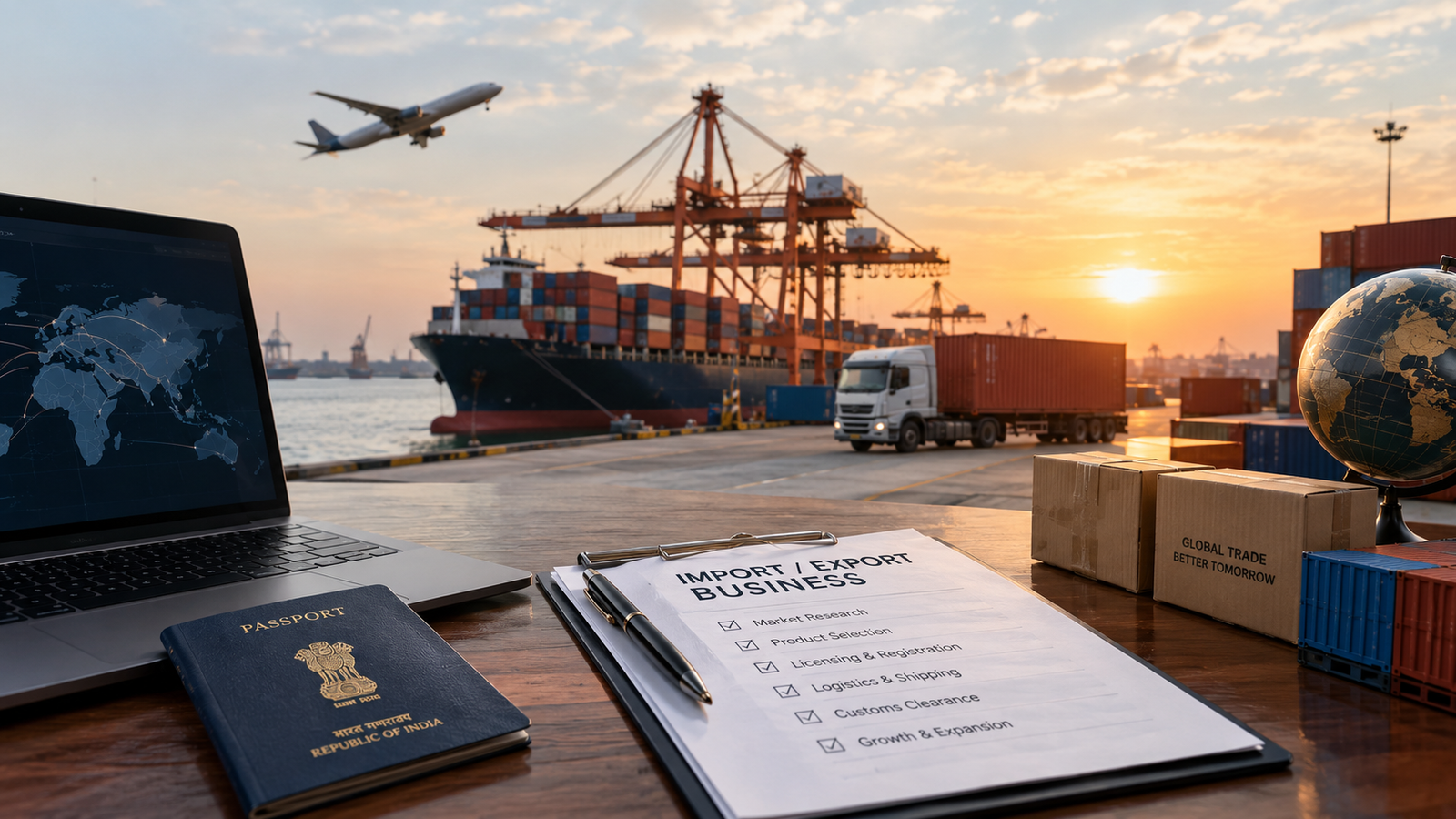
India is one of the world’s major trading economies, creating opportunities for entrepreneurs who want to enter the import and export business. With the right product, international buyers or suppliers, proper documentation and reliable logistics, a small business can gradually expand into international markets.
This guide explains the basic process of starting an import-export business in India in 2026.
What is an Import-Export Business?
An import-export business involves buying and selling products across international borders.
- Import: Buying products from another country and bringing them into India.
- Export: Selling products from India to customers or businesses in another country.
- Trading Model: Buying products from an Indian manufacturer or supplier and selling them to an international buyer without necessarily manufacturing the product yourself.
For beginners, the trading or merchant-exporter model can be an option because it does not necessarily require owning a manufacturing facility.
How Does the Import-Export Business Work?
A basic export transaction can work like this:
Indian Supplier → Exporter → International Buyer → Shipping → Customs Clearance → Delivery
For example, an exporter could source a product from an Indian manufacturer, find a buyer in another country, arrange the required documentation and shipping, and receive payment according to the agreed terms.
Step 1: Choose Your Product
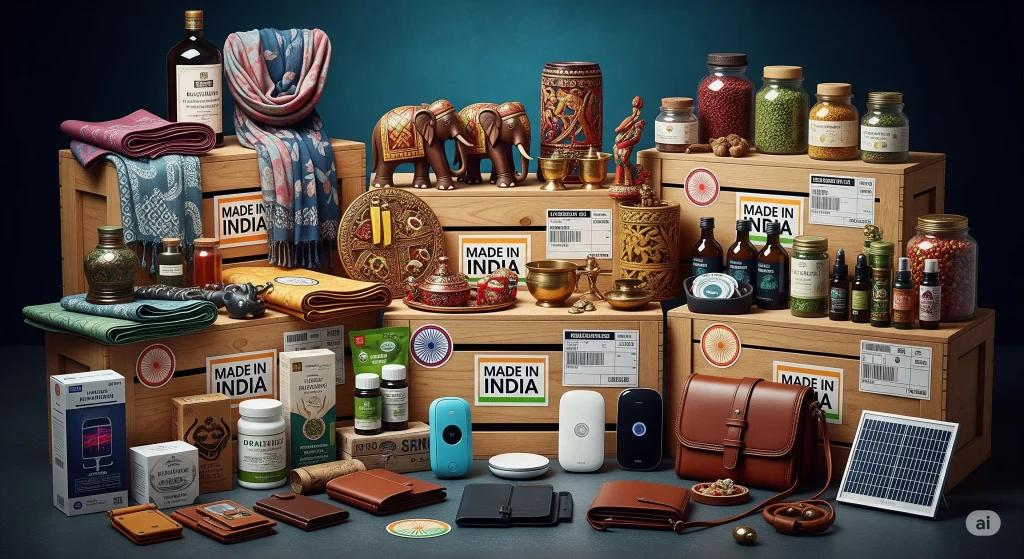
Choosing the right product is one of the most important decisions.
Some categories Indian businesses commonly explore for exports include:
- Rice and other agricultural products
- Spices
- Tea and coffee
- Handicrafts
- Textiles and garments
- Leather products
- Engineering goods
- Processed food
- Home décor products
- Jewellery and handicrafts
Before selecting a product, research its international demand, competition, pricing, export restrictions and required certifications
Step 2: Decide Which Country You Want to Target
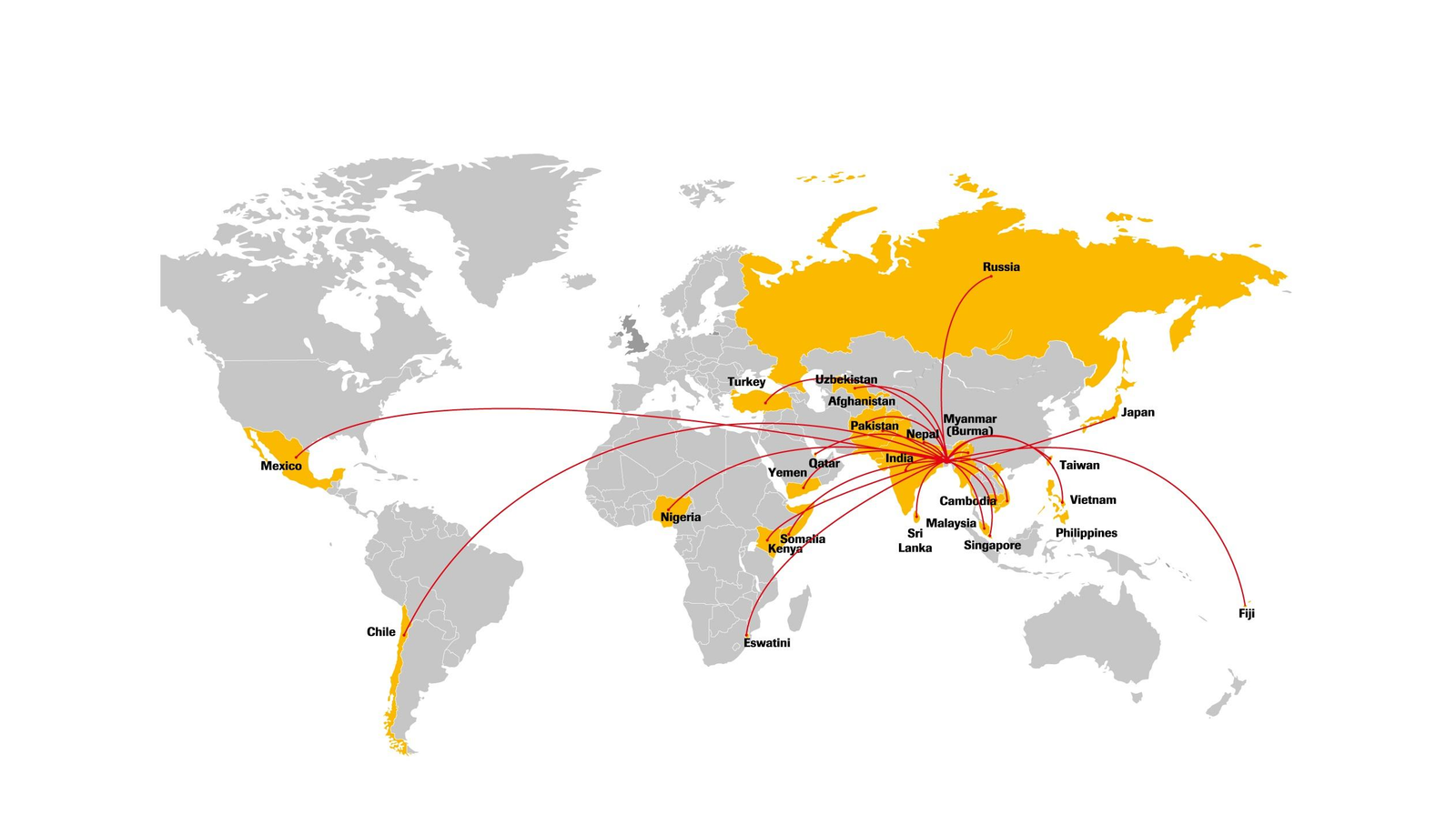
Instead of trying to sell everywhere, beginners can start by researching a few potential markets.
Consider:
- Product demand
- Competition
- Import regulations
- Shipping costs
- Customs requirements
- Currency and payment risks
- Existing trade relationships
- Required product certifications
The best market depends on the specific product you plan to export.
Step 3: Register Your Business
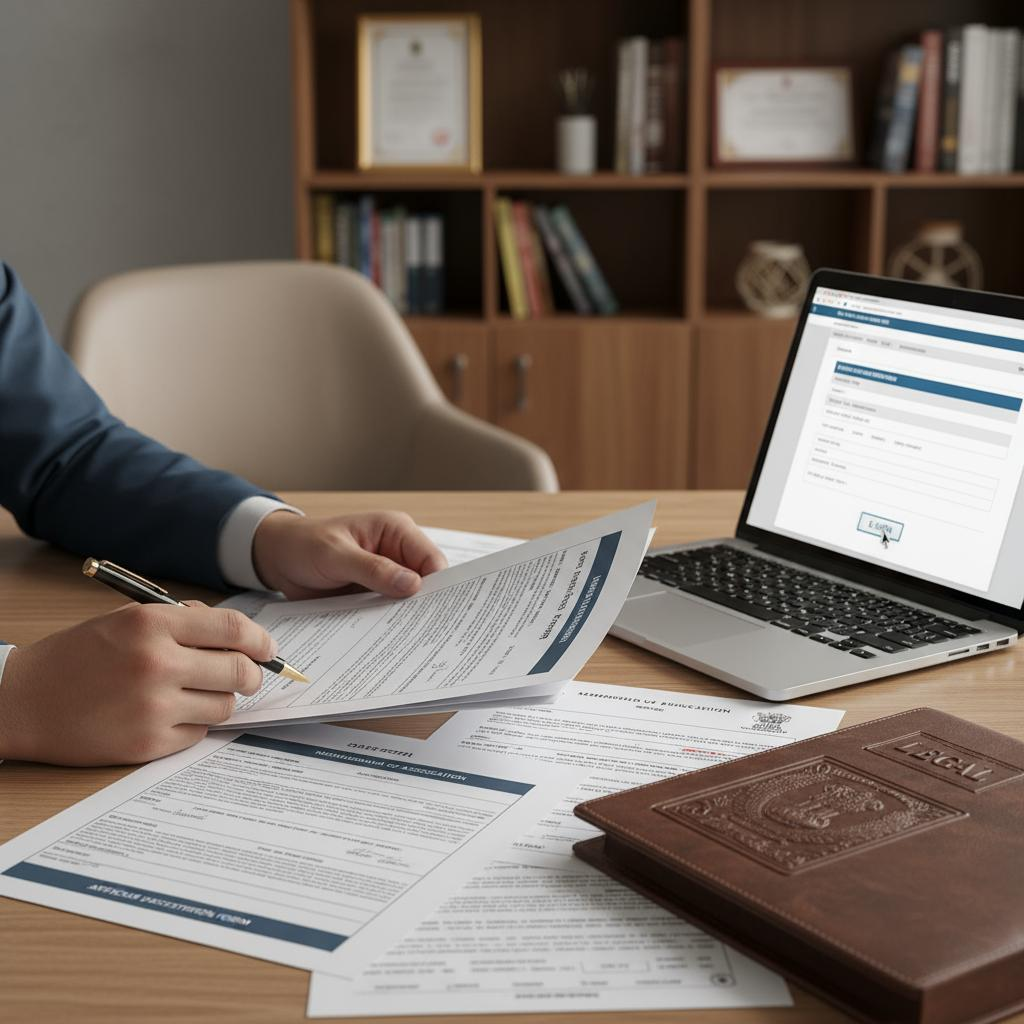
You need an appropriate business structure before starting commercial operations.
Depending on your business model, this could be:
- Proprietorship
- Partnership
- LLP
- Private Limited Company
You should also arrange the appropriate PAN, bank account and other registrations applicable to your business.
Step 4: Get an Importer Exporter Code (IEC)
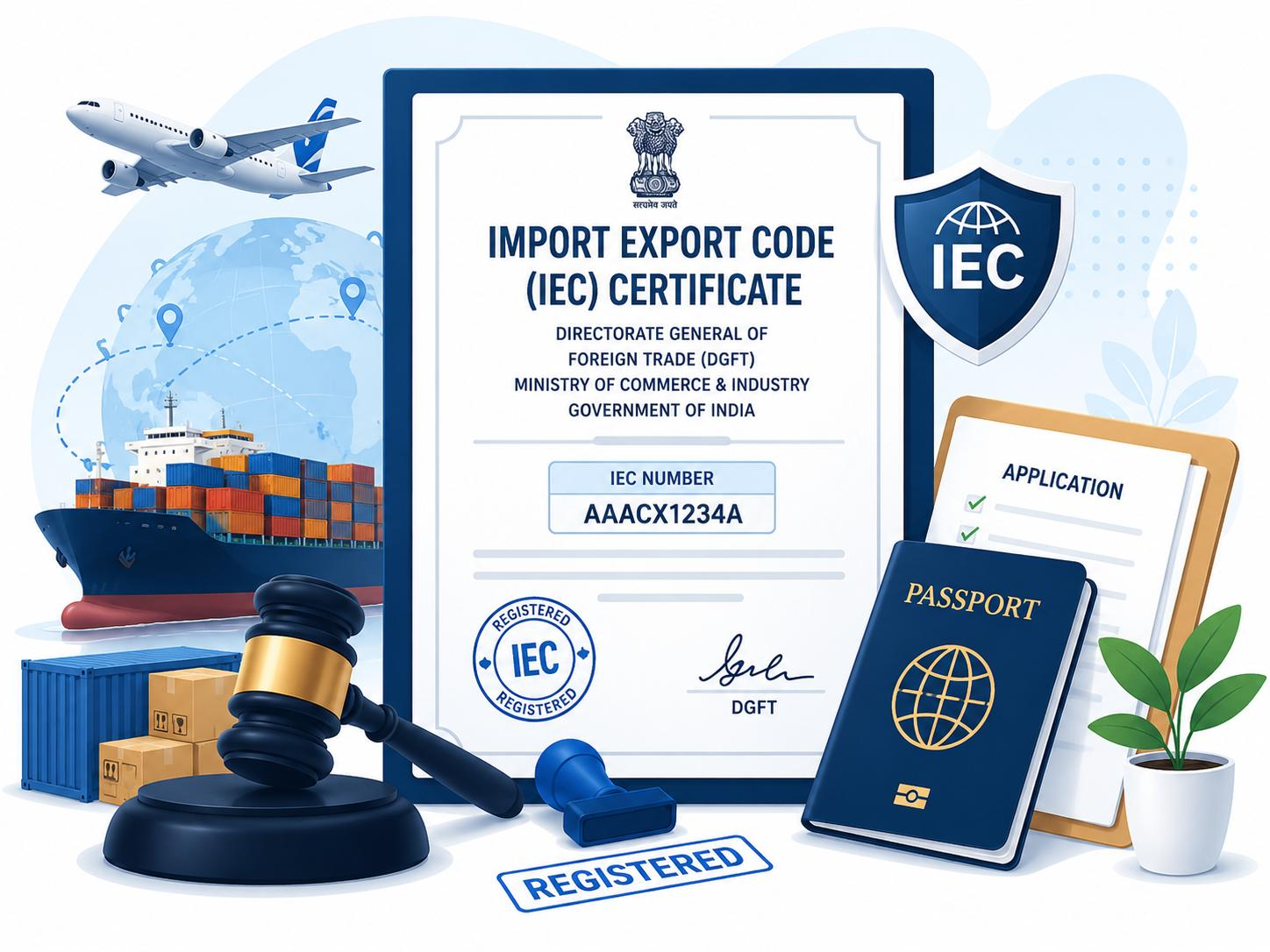
The Importer Exporter Code (IEC) is one of the most important requirements for businesses involved in importing or exporting goods from India.
DGFT states that an IEC is a 10-character alphanumeric code and is generally mandatory for import/export activities unless an exemption applies. The application process is online through the DGFT portal.
The IEC is issued by the Directorate General of Foreign Trade (DGFT).
Basic IEC requirements
Depending on the application and business structure, you should have details such as:
- PAN
- Business details
- Valid bank account
- Address details
- Mobile number
- Email ID
Always check the latest DGFT requirements before applying.
Step 5: Understand GST and Tax Requirements
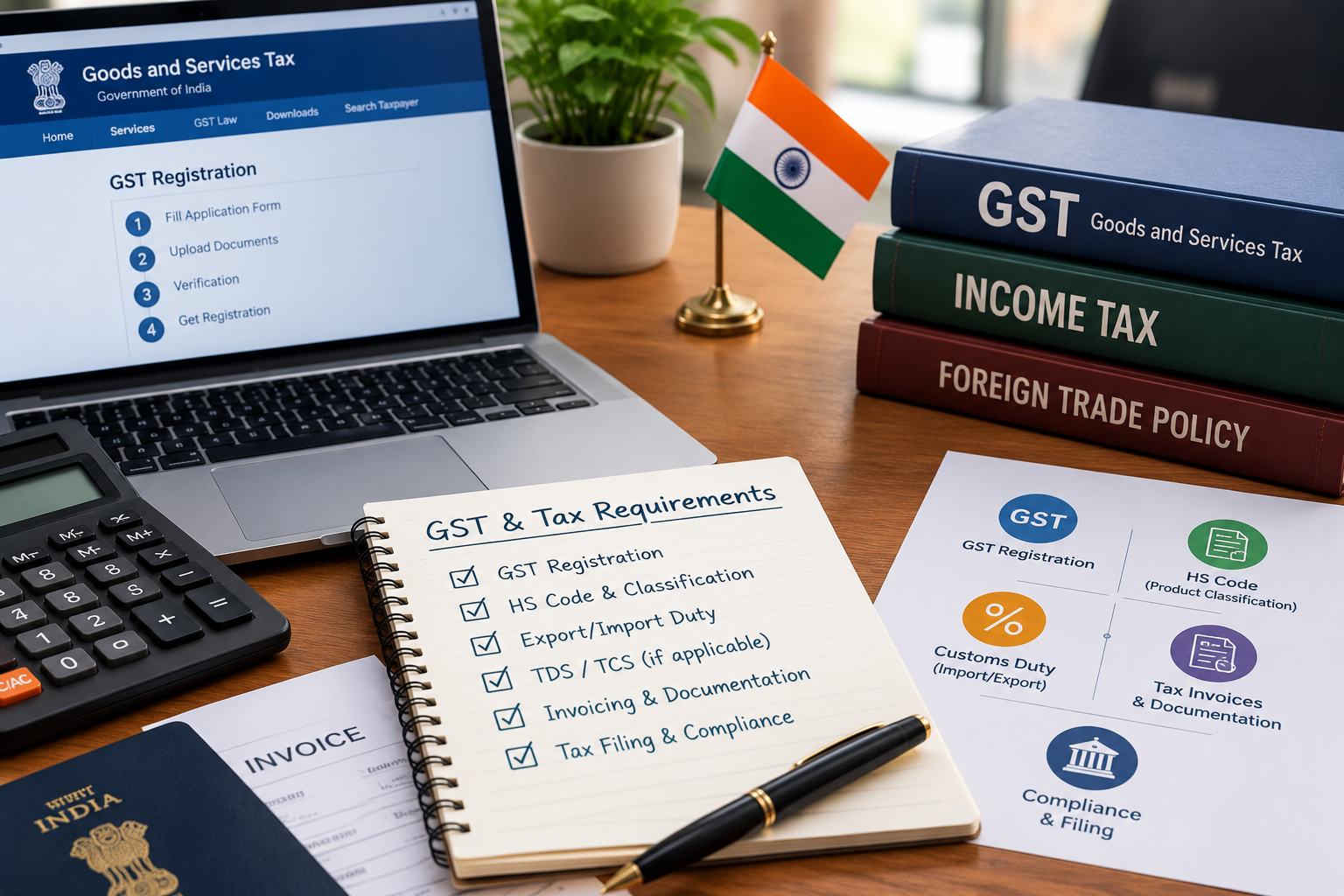
Depending on your business activities, GST registration and other tax compliances may apply.
Exports of goods have specific GST treatment, so exporters should understand the applicable procedures before shipping products.
It is advisable to consult a qualified CA or tax professional for your specific business structure and transaction model.
Step 6: Find Suppliers or Manufacturers
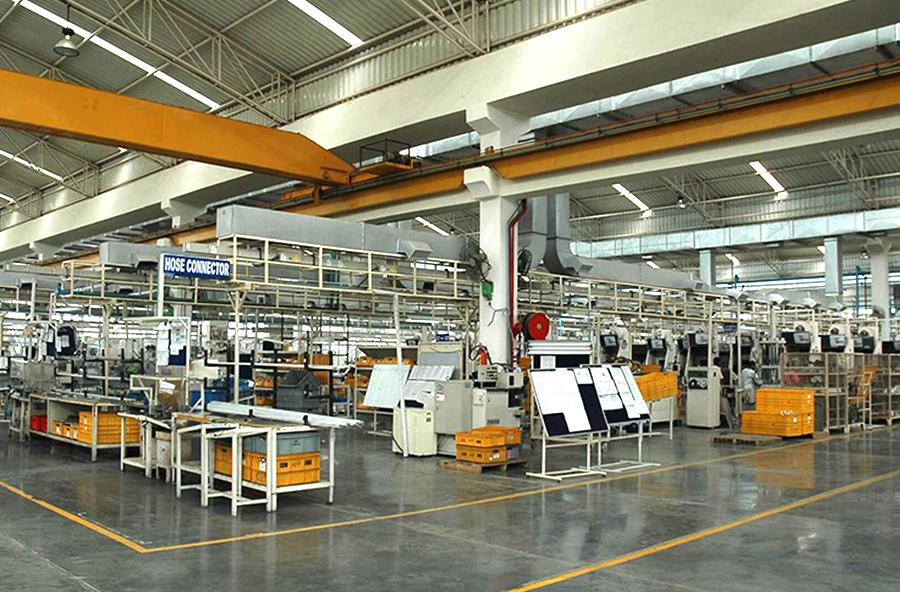
If you are working as a merchant exporter, you may not manufacture the product yourself.
You can source products from:
- Manufacturers
- Wholesalers
- Agricultural producers
- Local businesses
- Industry suppliers
- B2B marketplaces
Step 7: Find International Buyers

Finding reliable international buyers is one of the biggest challenges in export business.
Potential methods include:
- B2B marketplaces
- International trade fairs
- Business directories
- Export promotion events
- Direct email outreach
- LinkedIn networking
- Distributor partnerships
- Existing business contacts
Always verify a buyer before entering into a large transaction.
8. Decide Your Product Pricing
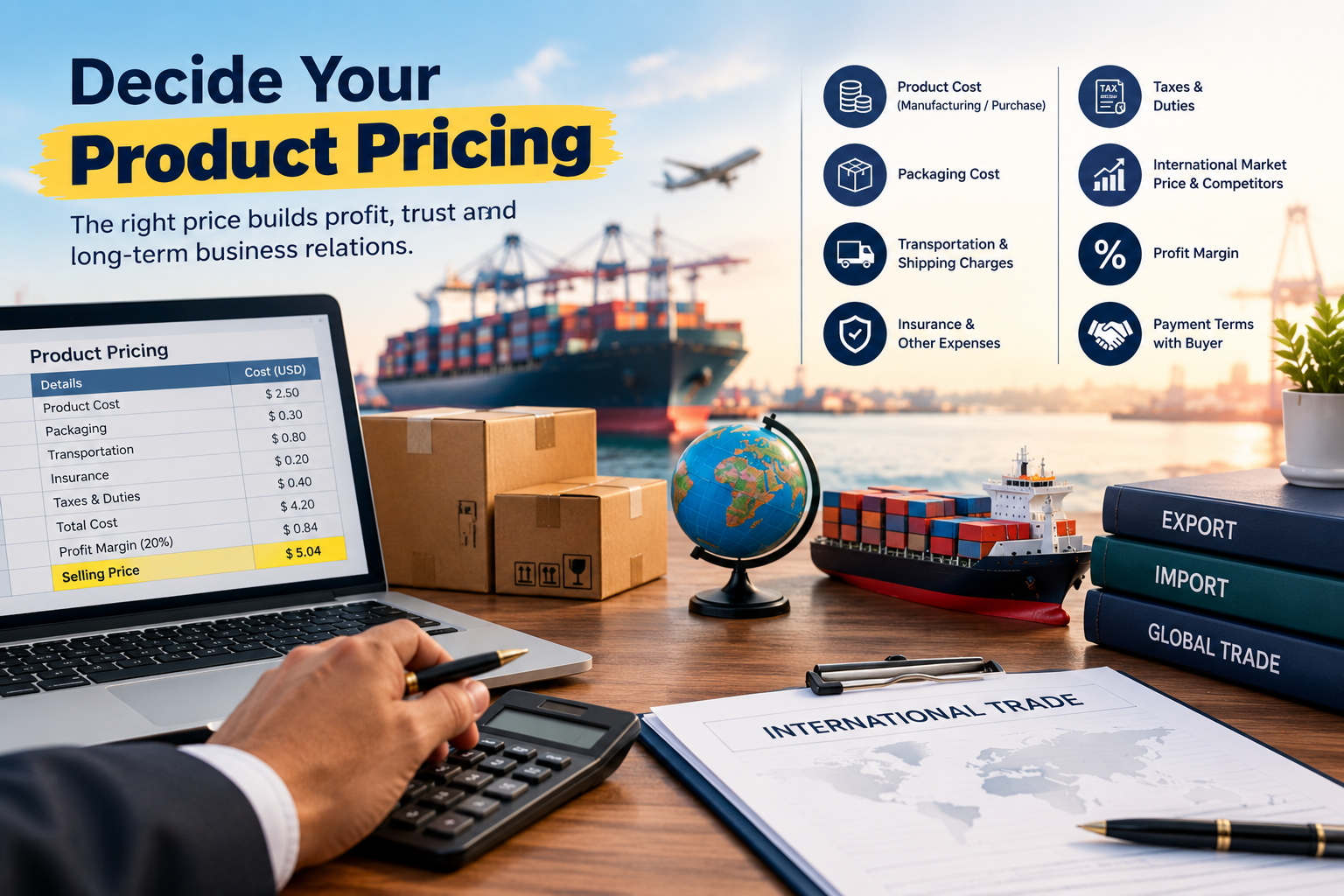
Setting the right price is important to maintain profitability in the import-export business.
- Calculate the product cost, packaging, transportation and shipping charges.
- Consider taxes, insurance and other export-related expenses.
- Research the international market price and competitors.
- Keep a reasonable profit margin while making your price competitive.
- Clearly discuss payment terms and pricing with the buyer before confirming the order.
9. Packaging & Logistics
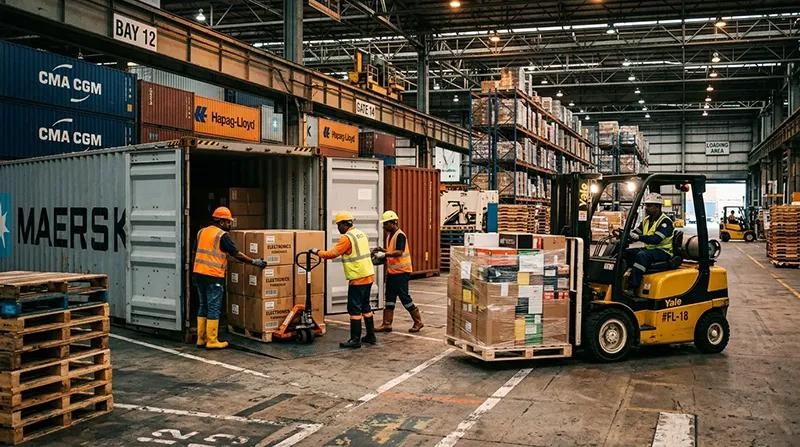
Products need to be packaged appropriately for international transportation.
Depending on the product, you may need:
- Export-quality packaging
- Labelling
- Product-specific certifications
- Pallets or cartons
- Container transportation
- Freight forwarding
- Marine insurance
A freight forwarder or customs professional can help coordinate many logistics and documentation requirements.
Tip: For beginners, starting with smaller shipments or samples can help you understand the logistics process before handling large international orders.
Step 10: Understand Export Documents
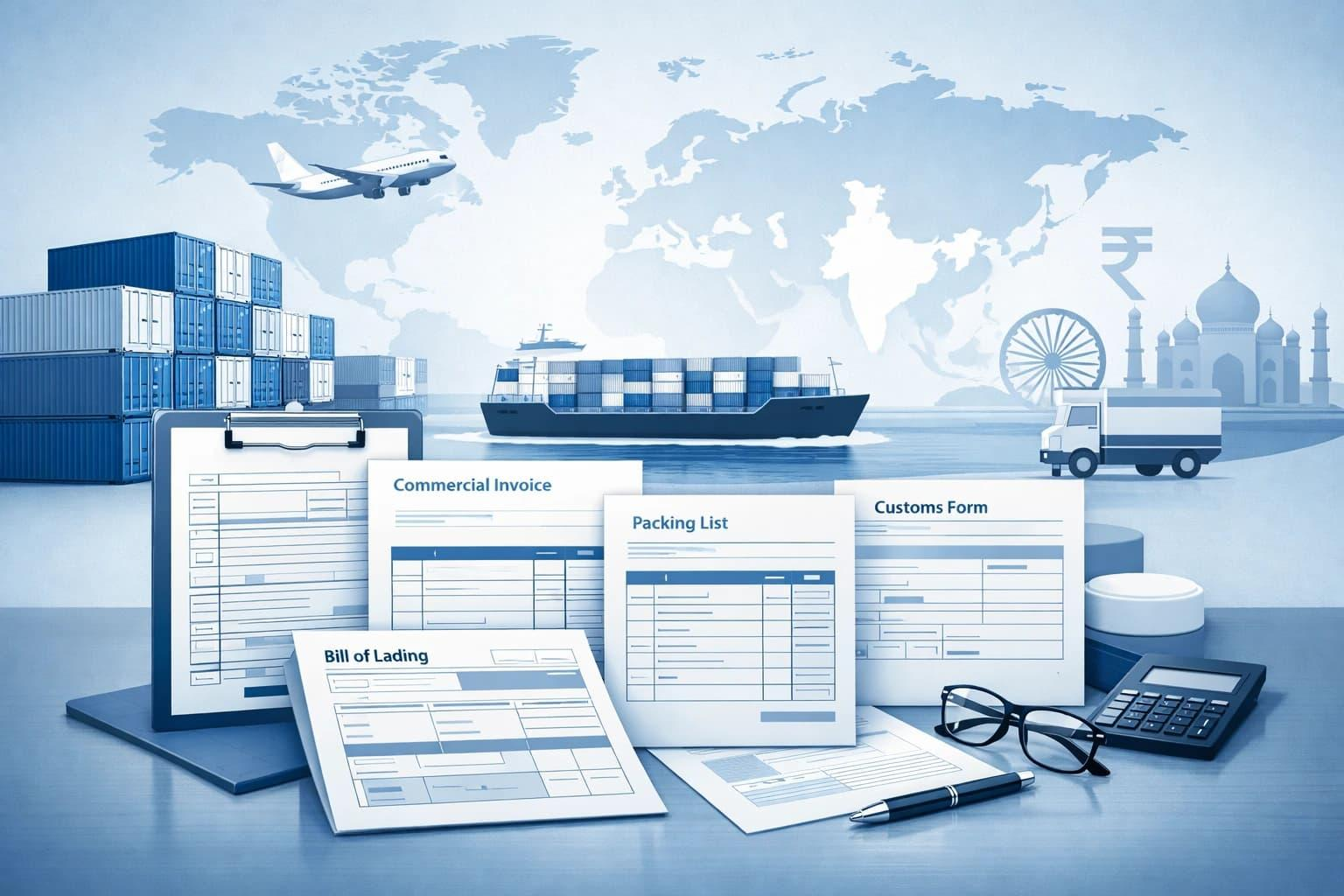
The exact documentation depends on the product, destination and transaction.
Under India’s Foreign Trade Policy, mandatory export documents generally include:
- Commercial Invoice cum Packing List
- Shipping Bill / Bill of Export / Postal Bill of Export
- Bill of Lading / Airway Bill / Lorry Receipt / Railway Receipt / Postal Receipt
Additional documents may be required for specific products or regulated categories.
How Much Money Is Required to Start?
There is no single fixed investment amount for an import-export business.
Your initial capital can depend on:
- Product type
- Minimum order quantity
- Supplier payment terms
- Packaging
- Transportation
- Freight charges
- Customs-related costs
- Marketing
- Buyer payment terms
A merchant-exporter model can potentially be started with less infrastructure than a manufacturing business, but the actual working-capital requirement can vary significantly.
Is Import-Export Business Profitable?
Import-export businesses can be profitable, but profitability is not guaranteed.
Your potential margin depends on:
- Product sourcing cost
- International selling price
- Competition
- Shipping expenses
- Currency fluctuations
- Customs and regulatory costs
- Payment terms
- Product demand
The key is not simply finding a product with a high selling price. You need to calculate the complete landed/export cost before deciding whether a transaction is profitable.
Common Risks in Import-Export Business
Beginners should be aware of several risks:
- Fraudulent buyers or suppliers
- Payment delays
- Product quality problems
- Shipping delays
- Currency fluctuations
- Changes in import/export regulations
- Damaged goods
- Unexpected logistics costs
- Incorrect documentation
Conclusion
Starting an import-export business in India can be a great opportunity for entrepreneurs who want to build a scalable business and enter international markets. However, success requires proper planning, the right product, reliable suppliers or buyers, competitive pricing, and a clear understanding of GST, IEC, documentation, shipping, and international trade regulations.
For beginners, it is better to start small, understand the market, build strong business relationships, and gradually increase the scale of operations. With India’s growing export opportunities and access to global markets, a well-planned import-export business can become a profitable long-term venture.
Start small, learn continuously, and build your international business step by step.