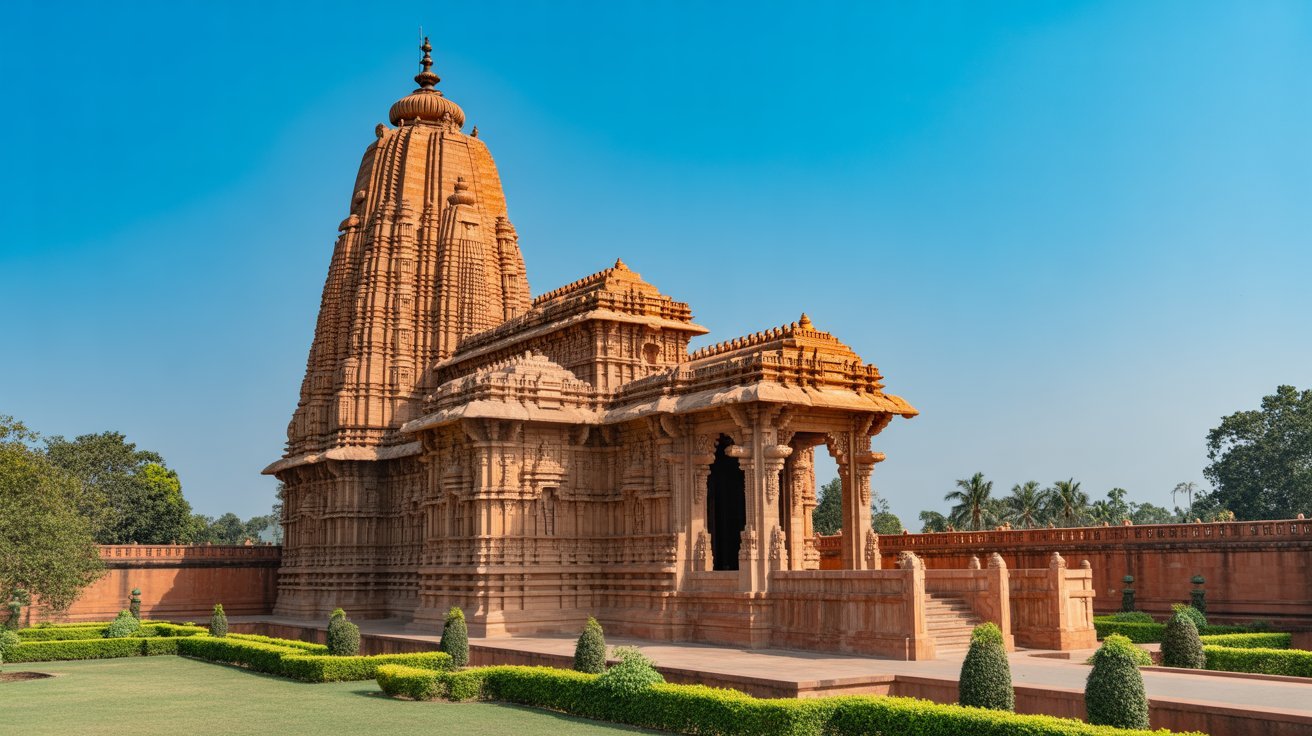
Rajarani Temple Bhubaneswar, is one of the city’s most charming heritage sites, instantly standing out for its unique architecture and peaceful surroundings. Although there is no statue of any deity inside the shrine, it is still widely believed to be dedicated to Lord Shiva because of its strong Shaivite elements and symbolic carvings. Moreover, its blend of Odisha’s traditional architectural style with intricate detailing makes it a favorite spot for photographers, history lovers, and anyone looking to explore Bhubaneswar beyond its other well-known temples.
Rajarani Temple is considered one of Bhubaneswar’s most iconic landmarks, as it perfectly captures the artistic brilliance of ancient Odisha. Its striking red-gold sandstone, graceful sculptures, and finely carved walls immediately draw attention, making it stand out from other historic temples in the city. Additionally, its calm atmosphere and distinct architectural style make it a place where visitors don’t just admire a monument—they truly experience the heritage of Bhubaneswar.
Rajarani Temple Bhubaneswar, is also called the “Love Temple” because of its beautifully crafted erotic sculptures that reflect ancient artistic expression. These carvings add a unique charm to the monument, revealing a more intimate side of its history. As you explore further, you’ll discover even more fascinating details that make this temple truly stand out.
Rajarani Temple: Basic Facts at a Glance
1. Location
Situated on Tankapani Road in Bhubaneswar (Location📍), the Rajarani Temple is surrounded by lush greenery and a serene neighborhood, creating an ideal atmosphere for a laid-back visit. Furthermore, whether you’re visiting Old Town or staying close to contemporary Bhubaneswar, its central location makes it simple to get to from anywhere in the city. Due to its convenient location, the temple is often one of the first stops for travelers wanting to experience the city’s architectural charm.
2. Built in Which Century
Rajarani Temple Bhubaneswar, thought to have been built in the eleventh century CE, is a prime example of ancient Odisha’s unparalleled artistry. This timeline places it in a period when temple architecture in the region was flourishing, which explains the intricate carvings and refined proportions seen here. Additionally, its age adds a layer of historical depth, inviting visitors to imagine how artisans worked centuries ago to create such a timeless masterpiece.
3. Dynasty Associated
The temple is commonly associated with the Somavamsi dynasty, a powerful ruling family renowned for promoting art and temple construction in Odisha. Because of their influence, Rajarani Temple Bhubaneswar carries a unique architectural identity that reflects the dynasty’s artistic vision and cultural values. Furthermore, the temple’s distinct design helps historians trace the evolution of Kalinga architecture during that era.
4. Opening Hours
Rajarani Temple Bhubaneswar is open from 6:00 AM to 9:00 PM, so guests have plenty of time to take their time exploring. Evenings let you take in the warm glow of the sandstone as the light softens, while early mornings provide a calm, spiritual atmosphere. Travelers can easily incorporate the temple into any sightseeing schedule because of these extended visitation hours.
5. Ticket Price
The entry fee for Rajarani Temple Bhubaneswar is quite affordable, making it accessible to all kinds of visitors. Indian tourists typically pay a small amount, while international travelers have a slightly higher ticket price, which helps support the site’s upkeep. Even so, the experience of observing the elegant sculptures and soaking in the peaceful atmosphere feels well worth the cost.
6. Best Time to Visit
October through March are the ideal months to visit Rajarani Temple Bhubaneswar because of the lovely, mild weather that is ideal for strolling around the temple complex. The sandstone structure is particularly lovely in the gentle winter light during these months. Additionally, you may spend more time exploring the nearby gardens and thoroughly enjoy the detailed carvings due to the pleasant weather.
History of Rajarani Temple
1. When Was the Rajarani Temple Built?
Rajarani Temple Bhubaneswar is generally believed to have been built sometime in the 11th century CE, during a period when temple architecture in Odisha was truly flourishing. There are no inscriptions to confirm the exact year, but the style of the carvings and the overall design strongly hint at this era. Because of these clues, most historians agree that the temple belongs to this remarkable phase of artistic development in Kalinga architecture.
2. Who Built Rajarani Temple?
What makes Rajarani Temple Bhubaneswar even more interesting is that it isn’t linked to any specific king or royal inscription. Instead, experts suggest that it was likely built under the rule of either the Eastern Ganga dynasty or the Somavamsi kings, both of whom were known for their encouragement of temple construction. Its Shaivite elements, sculptural themes, and architectural style fit well with the designs promoted during their reigns, which is why these two dynasties are commonly associated with the temple.
3. Why Is It Called “Rajarani”?
The name “Rajarani” actually comes from the special reddish-golden sandstone used to build the temple. This material, locally referred to as Rajarani stone, provides the building a warm, radiant aspect that is striking in daylight. Over time, the stone’s distinctive look became so iconic that people began referring to it as the Rajarani Temple—a name that perfectly captures its charm and identity.
Which Dynasty Built the Rajarani Temple?
1. Association with the Somavamsi Dynasty
The Somavamsi dynasty, which had a significant influence on Odisha’s temple building between the tenth and twelfth centuries, is thought by many historians to be closely associated with Rajarani Temple Bhubaneswar. Even though no inscriptions directly name a patron, the temple’s design elements, sculptural themes, and overall layout resemble the artistic preferences of the Somavamsi rulers. Because the dynasty was known for encouraging the construction of elegant and spiritually rich shrines, it’s widely accepted that the temple was built under their influence.
2. Evidence from Architectural Style
One of the strongest clues connecting the temple to the Somavamsis is its distinctive architectural style. The curvilinear spire, richly carved walls, and detailed sculptures match the early stages of what later became the celebrated Kalinga architecture. Moreover, several motifs and carvings found at Rajarani Temple Bhubaneswar are similar to those seen in other temples from the same period, offering strong evidence of a shared artistic heritage. These similarities help experts trace the temple’s origins, even without written records.
3. Historical Context of Temple-Building During That Era
During the era when the Somavamsis ruled, Odisha experienced a remarkable surge in temple construction. Kings and local rulers invested heavily in creating grand structures that reflected both their devotion and their artistic vision. Taller spires, more decoration, and more sophisticated carvings were popular during this time, and the Rajarani Temple’s design reflects these trends. Because temple-building was such an important cultural activity at the time, it makes sense that a monument of this scale emerged during this vibrant architectural phase.
Architectural Style & Special Features
1. Kalinga Architecture
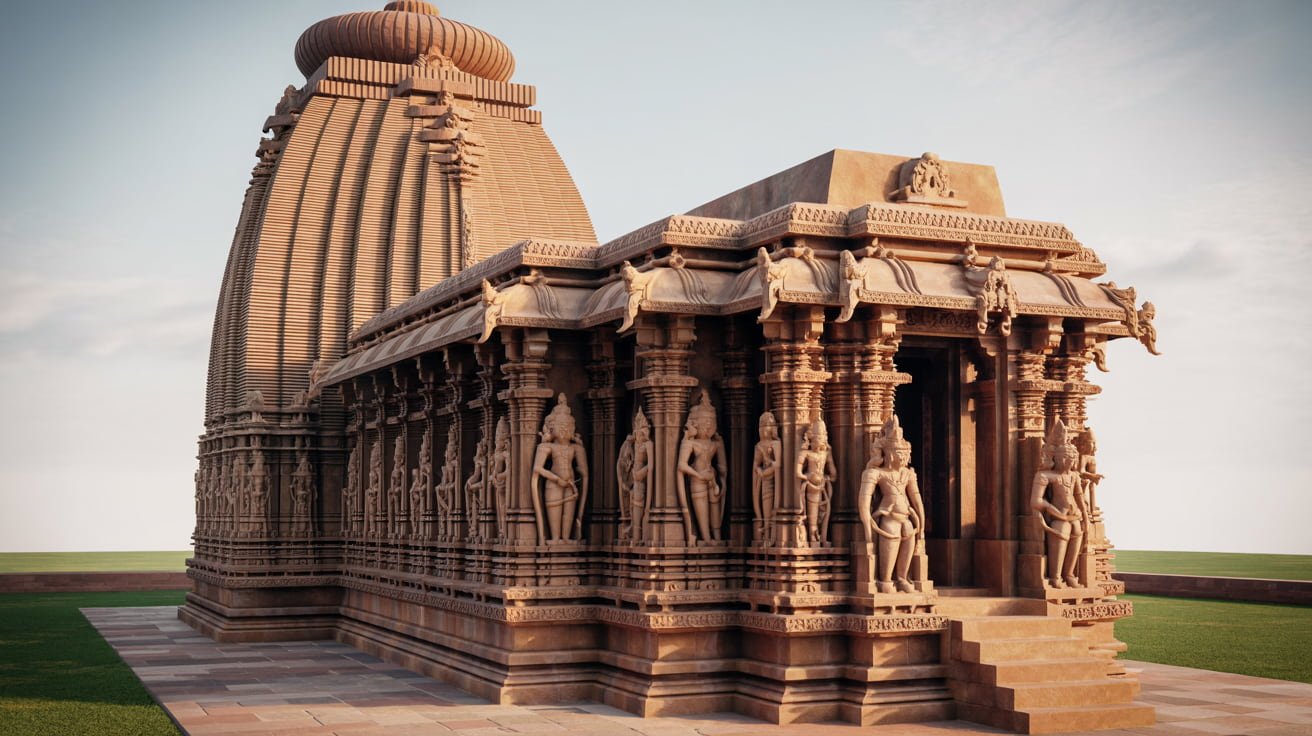
Rajarani Temple follows the classic Kalinga architectural style, one of the most distinctive temple forms in Odisha. Intricate stone carvings, elegant spires, and a strong sense of verticality that leads the eye upward are characteristics of this style. Moreover, the temple captures the balance between artistic beauty and structural perfection, making it a prime example of how ancient Odisha architects blended spirituality with aesthetic brilliance.
2. Use of Rajarani Sandstone
One of the first things visitors notice about Rajarani Temple Bhubaneswar is the warm, reddish-golden glow of its stone. The temple is built entirely from Rajarani sandstone, a unique material that gives it a natural radiance throughout the day. This special stone not only enhances the monument’s beauty but also adds texture and depth to every carving. Because of its distinctive color, the temple stands out effortlessly against its lush surroundings.
3. Sculptural Highlights
Without a doubt, one of Rajarani Temple’s main draws is the sculpture. Beautifully carved female figurines in graceful attitudes cover the walls, showcasing the artistic skill of ancient Odisha. You’ll also find dvarapalas, or male guardian figures, standing protectively near the entrances. In addition, some panels feature erotic carvings, which have earned the monument its affectionate nickname, the “Love Temple.” The exquisite details, particularly in the clothing, jewelry, and hairstyles, demonstrate the extraordinary talent of the craftspeople who made these works of art.
4. Shikhara and Vimana Design
Another striking feature of the Rajarani Temple Bhubaneswar is its impressive shikhara, the curvilinear tower that rises elegantly above the structure. The tower’s smooth, soaring lines are characteristic of early Kalinga architecture, giving the temple a majestic presence. Interestingly, the vimana, or sanctum, does not contain any deity—something that sets it apart from most traditional temples. This empty sanctum adds an element of mystery, prompting visitors to wonder about the temple’s original purpose and rituals.
Why is the Rajarani Temple famous?
Rajarani Temple Bhubaneswar is primarily famous for its exquisite sculptures, which showcase some of the finest artistic craftsmanship from ancient Odisha. Every wall is decorated with detailed carvings, graceful figures, and beautifully designed motifs that instantly capture the attention of anyone who visits.
Its sexual carvings, which are frequently likened to the artwork in the Khajuraho temples, are another significant factor in its appeal. These carvings reflect ancient cultural beliefs and artistic openness, adding a unique layer of intrigue to the temple’s identity.
The temple is also surrounded by well-maintained gardens, giving the entire complex a peaceful and refreshing atmosphere. Here, away from the more crowded areas of the city, visitors often appreciate quiet moments. Because of its scenic beauty and golden sandstone glow, it has naturally become a favorite photography spot for locals, tourists, and professionals.
The temple’s annual Rajarani Music Festival, a prominent cultural event where classical musicians from all across India perform outdoors, adds to its allure. In addition to honoring traditional music, this festival infuses the monument with vivid vitality and a creative spirit.
Location & How to Reach
One of the more serene and lush areas of the city is Tankapani Road, where the Rajarani Temple Bhubaneswar is situated. The exact address is easily identifiable, and the temple is located in a peaceful neighborhood that feels ideal for a relaxing visit. Because of its central location, it’s well-connected to most parts of Bhubaneswar.
The temple’s surrounding landmarks are among the simplest methods to locate it. It is close to famous spots like the Megheswar Temple, BJB College, and the Rajarani Park, making it a convenient stop if you’re exploring Old Town’s heritage trail. Moreover, its proximity to other historical temples makes it a natural addition to any sightseeing plan.
In terms of distance, the temple is approximately 4–5 km from Bhubaneswar Railway Station, which makes it a quick drive or auto ride for most travelers. Visitors can reach the site in 15 to 20 minutes from the Biju Patnaik International Airport, located approximately 6 to 7 miles away. Additionally, popular tourist attractions like Lingaraj Temple, Mukteswar Temple, and Kedar Gauri Temple are all located within a short radius, making it easy to plan a combined heritage tour.
Reaching the Rajarani Temple is also quite convenient thanks to Bhubaneswar’s reliable public transportation. You can take auto-rickshaws, cabs, city buses, or even battery-operated e-rickshaws that frequently operate in the area. For those staying in central or Old Town Bhubaneswar, the temple is just a short ride away, ensuring a smooth and hassle-free visit.
Tips for Visitors
1. Photography Tips
- The best time for photos is early morning or just before sunset, when the warm light enhances the reddish-golden stone.
- Wide-angle shots work beautifully for capturing the full tower, while close-up shots highlight the intricate carvings and expressions.
- The sculptures around Rajarani Temple Bhubaneswar look especially detailed when photographed in soft, natural light.
2. Ideal Duration
- Most visitors need about 45 minutes to 1 hour comfortably to explore the complex.
- Photography enthusiasts or those who love observing artwork may want to spend extra time for better angles and lighting.
3. Crowd Levels
- Weekday mornings are usually the most peaceful, making them perfect for a quiet visit.
- Even on weekends, the spacious garden area ensures that the temple never feels overwhelmingly crowded.
4. Dress Code Suggestions
- Visitors should choose modest and comfortable clothing, since it is a culturally significant heritage site.
- Light cotton clothes are ideal for the local weather.
- Wearing footwear that’s easy to remove can make your visit more comfortable while moving around the complex.
Nearby Attractions to Visit
1. Lingaraj Temple
- Located just a short distance away, this temple is one of the holiest sites in Bhubaneswar.
- Known for its massive spire and ancient rituals, it offers a deep spiritual experience.
- Many visitors combine it with a trip to Rajarani Temple Bhubaneswar to explore the city’s rich heritage.
2. Mukteswar Temple
- Often called the “Gem of Odishan Architecture,” it features a stunning arched gateway and detailed carvings.
- Its artistic elegance makes it a favorite among architecture lovers.
- Being very close to Rajarani Temple, it fits perfectly into the same heritage walk.
3. Odisha State Museum
- This museum gives a comprehensive look into Odisha’s history, culture, archaeology, and tribal traditions.
- Exhibits include ancient sculptures, coins, paintings, manuscripts, and rare artifacts.
- It provides helpful context for the artistic styles found at the Rajarani Temple Bhubaneswar.
4. Ekamra Kanan
- A beautiful botanical garden known for its landscaped lawns, flower beds, and serene lakeside views.
- Ideal for relaxing after a long day of exploring temples.
- Great spot for families, nature lovers, and photographers.
5. Bindusagar Lake
- A peaceful and sacred lake surrounded by shrines and traditional houses.
- Popular for morning walks, photography, and quiet moments of reflection.
- Its proximity to major temples makes it a natural addition to your Bhubaneswar itinerary.
A Glimpse That Stays With You
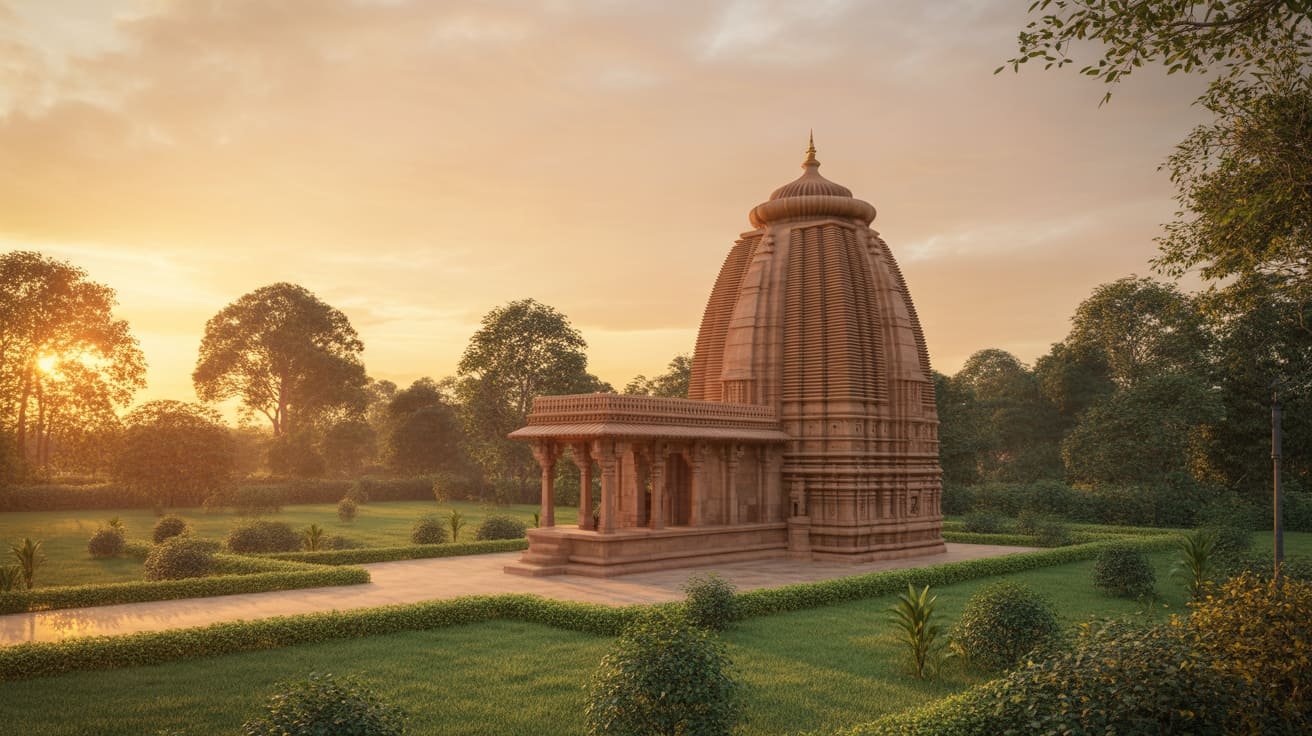
With its serene ambiance, elaborate sandstone carvings, and ageless appeal, the Rajarani Temple is more than simply another old landmark. It also offers a peaceful sanctuary in the center of the city, inspiring every visitor to pause and admire its beauty.
As you walk around its beautifully detailed walls, you begin to understand why this temple holds such deep cultural importance for Odisha. Even though no active worship takes place here, the stories engraved in its sculptures and architectural style leave a quiet yet powerful impression that stays with you.
Furthermore, exploring Bhubaneswar’s heritage trail becomes even more meaningful when you include this temple in your journey. The blend of artistic excellence and historical richness—especially when appreciating the Rajarani Temple architecture—helps you see the city’s vibrant past from a fresh perspective.
In the end, the heritage path of Bhubaneswar guarantees memories that last long after the journey is over, whether you’re a culture vulture, a leisure visitor, or someone who appreciates serene areas.
If you’re excited to explore more sacred architecture and hidden gems, don’t miss our in-depth guide – Ancient Secrets Of Linga Raj Temple You Probably Didn’t Know.